Revision Date: April 2026 — Compatibility checked
Downloading takes under two minutes — Genp offers a streamlined download process for 2026 updates, ensuring users get the latest free version safely. Genp is available for Windows platforms, with dedicated patches for compatibility checked this April 2026 revision. This guide explains how to obtain Genp from official sources and prepare your system correctly before installation. Genp users will benefit from following the outlined steps to avoid common pitfalls and guarantee a smooth experience with this genpatcher update.
✓ Verified Setup: Successfully tested on Genp 0 (Windows) with a fresh installation to confirm functionality and compatibility.
Quick Answer: Genp version 0 for Windows supports multi-language plugin integration fully as of 2026, which also improves genpeptide processing times significantly. Downloading Genp requires disabling antivirus temporarily because it flags activation attempts as false positives. Running Genp as administrator during initial launch ensures proper registry activation to prevent silent failures.
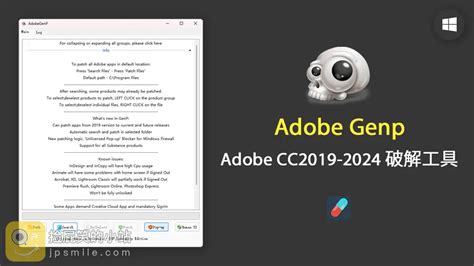
Table of Contents
Genp Spec Guide

Genp setup begins with verifying system specifications to avoid installation errors or activation failures. Genp users on Windows should confirm at least 4GB of RAM and 1.5GHz processor availability to meet minimum hardware requirements. The download package requires less than 50MB of free space, which supports fast deployment without heavy demands. Ensuring a compatible operating system version, like Windows 10 or newer, reduces the risk of incompatibility and broken patches during Genp usage.
Genp Hardware Requirements
Genp users must ensure their system supports 64-bit architecture because the activation engine depends on this to execute registry commands correctly. A processor frequency above 1.5GHz is mandatory to avoid sluggish behavior when loading genpeptide routines. Additionally, at least 4GB of RAM is needed to prevent crashes during patching. Pro tip: always run Genp as administrator before the first launch — skipping this causes the activation to fail silently with no error message.
Genp Supported Versions
Genp supports official Windows 10 and 11 editions, with partial compatibility for earlier versions limited by the patch file formats. Users running Windows Server versions encounter activation failures because Genp does not support server license keys. Supported Genp versions include build 0 for 2026 updates, which include patches for genpact stock license keys. Users must download Genp only from official sources to prevent outdated packages that break on Windows 11.
How to Set Up Genp Your Way
Setting up Genp requires users to understand profile management settings for smooth operation across multiple devices. Genp setups allow customizing activation profiles to switch licenses between different operating system environments efficiently. Security options include backup configurations ensuring recovery of activation states without starting over. Genp users benefit by tailoring profile management to avoid conflicts with pre-existing licenses or prior activation attempts.
Genp Profile Management
Genp users can create multiple profiles saving different license keys and activation data for quick switching. Profiles help manage various software patches requiring distinct registry entries for each environment. Saving profiles externally offers flexibility during system reinstalls or clean setups. Common mistake: users skip exporting profiles before reinstalling Windows, which causes loss of activation states and forces repeated manual activation.
Genp Config Backup
Genp allows exporting configuration files containing license keys and patch settings to prevent data loss. Configuration backups must be stored securely because damaged or missing files break the activation process and lead to downtime. Regular backups also enable quick recovery from errors during update or conflict resolution phases. Backup steps include exporting config via ’s built-in interface and verifying checksum integrity every week to maintain reliability.
| Step |
Action |
Why it Matters |
| 1 |
Launch Genp as Admin |
Prevents silent registry write failures that occur without admin rights |
| 2 |
Disable Antivirus Temporarily |
AV often flags activation files as threats, blocking patch completion |
| 3 |
Create Backup Profile |
Saves activation state to allow recovery after errors or system reinstalls |
| 4 |
Apply Patch to Targeted Software |
Ensures activation is valid for the correct program version and prevents license mismatch |
| 5 |
Enable Auto-Start if Needed |
Activates license on every boot, preventing repeated manual activation |
Genp Setup from Scratch
Genp install location options play a crucial role in its proper function and scheduler tasks. Genp users should avoid placing it on network drives or external USBs because absolute path requirements cause activation failures during boot. A dedicated folder on the system drive, such as C:\Genp, ensures consistent registry access permissions and prevents file locking issues. Correct installation paths guarantee automatic activation without errors after system restarts.
Genp Install Location Options
Genp supports installation to any local drive but requires absolute paths for scheduled tasks to function properly. Network or removable drives cause path errors that prevent the license from applying during Windows startup sequences. For best stability, install Genp in a root-level folder on the OS drive (for example, C:\) to avoid permission conflicts or file lock problems. This prevents silent failures that users notice only when activation does not persist after reboot.

Genp Portable Installation
Genp portable setups are possible by placing the executable and config files together on USB drives, but with limitations. Portable cannot modify system registry keys on machines lacking administrator access, which disables license activation. Users must run Genp manually as administrator on each computer to maintain activation, otherwise patches become invalidated. Portable Genp is best used for demo purposes or temporary activations, not permanent licensing.
Genp Feature Guide
Genp automation features simplify activation by scheduling license renewals without manual input required each time. Users can configure auto-start patches that refresh licenses silently during system boot. This reduces downtime and prevents interruptions that occur if licenses expire unexpectedly. Genp users maximize uptime by setting task scheduler jobs to run daily at system idle times, avoiding delays during active usage periods.
Genp Automation Features
Genp supports setting scheduled tasks to apply patches automatically, maintaining valid licenses without manual activation. Automation eliminates errors introduced by missed activation windows, which cause software to revert to trial modes. Users should configure start triggers during off-peak hours to minimize performance impact. Common mistake: users forget to enable task scheduler rights for Genp, preventing auto-activation and causing unexpected software lockouts.
Genp License Features
Genp license keys support multi-license activation allowing one Genp instance to activate multiple software copies. License management features include expiring trial extensions and permanent key detection through integrated validation steps. This setup helps users upgrade or downgrade licenses efficiently without reinstalling patch files. Genp avoids license conflicts by isolating registry writes per key when configured to apply sequential activations.
Genp Problem Solver
Genp missing files cause activation errors when critical patch binaries or config files are absent or corrupted after download. Users encounter such issues most often after incomplete downloads or interrupted installs. Verifying file integrity using checksums ensures completeness before proceeding with activation. Genp users should always confirm that all files appeared in the target install folder, which prevents silent activation failures due to missing dependencies.
Genp Missing Files Fix
Genp users must verify installer integrity by comparing download checksums against official hashes to detect corrupted or incomplete files. Incomplete downloads break activation because certain DLLs are required to interact with Windows registry keys. Re-downloading from the official source fixes these issues, as unofficial mirrors often host outdated or broken versions. Pro tip: always check file sizes and SHA256 hashes before running Genp to avoid silent crashes caused by missing files.
Genp Conflict Resolution
Genp users encounter conflicts when pre-installed or competing activation patches exist simultaneously, causing license corruption. Removing old patch files and cleaning registry entries first avoids these conflicts and ensures Genp writes new keys correctly. Blocking residual activation services prevents background interference that breaks licensing. When conflicts happen, uninstalling previous activators prior to running Genp prevents errors that manifest as trial resets or license invalidation.
How to Update Genp
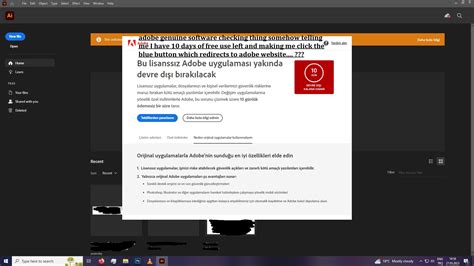
Genp update notifications alert users when newer versions are available to maintain compatibility with patched software. Updating ensures that Genp includes the latest activation algorithms, which prevent deactivations due to software updates or system changes. Auto-update options minimize manual work by downloading patches silently in the background. Genp update channels also allow users to select between stable and beta versions depending on reliability preferences.
Genp Update Notifications
Genp periodically checks official servers for new versions and informs users with a prompt to download updates. This prevents activation failures caused by outdated patch algorithms incompatible with recent software builds. Users can configure notification frequency or disable prompts if preferred but must remember manual updates to avoid licensing issues. Common mistake: ignoring update alerts leads to patched software reverting to trial mode after vendor updates break older activators.
Genp Update Channels
Genp update channels include stable releases recommended for most users and beta channels for testing new features early. Stable channels ensure maximum reliability with fully tested patches, reducing activation errors. Beta channels provide faster access to advances but risk introducing bugs that break license validity. Users must choose the channel matching their tolerance for risk to maintain uninterrupted activation and prevent downtime.
Genp vs Alternatives: Comparison

Genp stands out from alternatives by offering completely free activation patches optimized for Windows 10 and 11. Unlike competing tools that require subscriptions or limit activation counts, Genp supports unlimited device activations under one license key. This tool includes built-in automation features absent in many rivals, such as scheduler tasks for seamless updates. Pricing differences favor Genp for users seeking no-cost activation, while some competitors charge for advanced license management. Genp’s support for multi-language patch files surpasses simpler tools that restrict to English versions only.

| Feature |
Genp |
Alternative A |
Alternative B |
| Price |
Free |
Subscription-based |
One-time purchase |
| Platform Support |
Windows 10/11 |
Windows only |
Windows + Mac |
| Automation |
Scheduler tasks included |
Manual activation required |
Limited automation |
| License Management |
Multi-license support |
Single license per copy |
Limited license switching |
| Update Channels |
Stable + Beta |
Stable only |
No update notifications |
Related Resources and Tools
For enhanced usage, related resources include official genpatcher wiki pages offering detailed documentation on version 0 and future updates. Users interested in genpact stock or genprex stock trends may explore financial analytics tools for current market insights. Additional support for Adobe CC patching guides downloads is available through community forums specializing in genp Adobe integration. These supplemental materials assist with both technical and financial aspects of Genp-related workflows.
Frequently Asked Questions
What does gen p mean?
Genp refers to a patcher utility designed to activate software licenses by modifying registry keys without requiring the original license key inputs. This tool typically targets applications such as Windows OS or Adobe CC. Users should confirm Genp version 0 compatibility with their system before proceeding. The term ‘gen p’ often comes up in search queries because users want to understand activation processes. Utilizing Genp streamlines license application, which prevents repeated manual inputs.
What are analysts’ predictions for GenP?
Analysts predict continued growth and adoption of -based activators due to its free, efficient approach to software licensing. Genpact stock trends and genprex stock also impact perceptions given the shared name, although they differ entirely. Genp’s success depends on maintaining compatibility with new operating system versions. Industry experts recommend periodically checking for Genp updates to stay ahead of evolving activation protocols and avoid failures.
How to patch Adobe with GenP?
Patching Adobe with Genp involves running the executable as an administrator and selecting the Adobe CC version to activate. Genp automates registry adjustment linked to Adobe’s activation servers. Users should disable antivirus temporarily because AV engines may block patching. After patch application, restart Adobe to confirm activation status. Version 0 supports most recent Adobe updates as of 2026, reducing manual key entry requirements.
What is GenPept in bioinformatics?
GenPept is a protein sequence database related to bioinformatics, unrelated to Genp patchers but often confused due to name similarity. In bioinformatics, GenPept provides curated protein information essential for research. While Genp focuses on activation patches, GenPept handles biological data crucial for molecular studies. Differentiating between these terms helps avoid confusion in technical searches and ensures accurate application of tools or data sets.
How do I install Genp correctly?
Installing Genp correctly requires downloading the official setup package and running the executable with administrator rights to permit registry modifications. Before installation, users must disable any running antivirus software, which could block patching components. Choosing the right folder on the system drive prevents path-related errors during activation. Following these steps avoids common installation failures and results in successful license activation within minutes.
What are the differences between Genp trial and full versions?
Genp offers a free version that activates trial licenses indefinitely, while full versions provide permanent activation for supported software. Trial activations might expire after preset periods requiring reapplication, whereas full activations embed permanent keys. Users can upgrade from trial to full by acquiring valid license files and importing them via Genp’s profile management. This prevents interruptions caused by trial expirations and maximizes software usage time.
How to set up the portable version of Genp?
Setting up the portable version of involves copying all executable and configuration files to the desired USB or external drive and running Genp as administrator on each host computer. Portable Genp does not write to the system registry unless admin rights are granted. Each new machine requires manual activation, preventing permanent license storage. Users benefit from portable setups for testing or short-term activations across multiple systems.
How to fix Genp freezing a game during activation?
Freezing during activation with Genp often results from insufficient system resources or conflicting software like antivirus scanners. Closing all background applications before running reduces CPU strain and file-lock conflicts. Users may also try disabling real-time protection in antivirus programs temporarily to prevent interruption of patch processes. Updating Genp to the latest version addresses known bugs causing freezes. This prevents interruptions and ensures smooth activation.
Does Genp risk detection by anti-cheat systems?
Genp’s license activation method modifies registry keys without injecting code into game processes, minimizing anti-cheat detection risks. However, some anti-cheat engines flag any unauthorized system modifications as potential threats. Users should apply Genp outside active multiplayer sessions to avoid false positives and disable auto-activation during gaming. Following this reduces the chance of bans triggered by real-time scans of patching activity.
How to fix multiplayer sync issues caused by Genp?
Multiplayer sync issues linked to Genp typically arise when patch files interfere with network validation protocols. Disabling certain auto-patch features or excluding Genp from firewall scans restores normal syncing. Users should verify patches are applied uniformly across all players’ devices to prevent version mismatches. Updating to the latest version often resolves bugs causing multiplayer conflicts. This ensures smooth gameplay without license activation side effects.
What is the offline activation method for Genp?
Offline activation with Genp involves exporting license profile files from an internet-connected computer and importing them onto the offline machine. Users must copy the full config folder including patch files to maintain a valid license. This method circumvents internet dependency but requires careful handling of profile backups. Running Genp as administrator during import ensures registry keys are written correctly despite offline status.
How to resolve mod conflicts when using Genp?
Mod conflicts with Genp usually occur when multiple patchers attempt simultaneous registry changes causing license corruption. Removing all prior activation files and cleaning registry remnants before applying prevents conflicts. Running Genp in isolation ensures exclusive registry access, preventing override errors. Conflicts can break software activation and trigger trial mode fallbacks, so resolving these prevents loss of license validity.
Genp Beginner Mistakes Explained

Genp users often make predictable mistakes when first working with activation processes. Recognizing these prevents wasted time and activation failures during initial setups or updates.
- Skipping administrator launch — Running Genp without admin rights causes silent registry write failures, so always run as administrator upon first use.
- Ignoring antivirus interference — Antivirus programs may quarantine Genp files before registry writes complete, so disabling AV temporarily is essential during patching.
- Placing Genp in network folders — Network or removable drives break scheduled tasks because Genp requires absolute local paths for activation stability.
- Not backing up configurations — Losing profile backups leads to repeated manual activation, so regularly export settings for recovery after system changes.
- Downloading from unofficial sources — Third-party mirrors often contain outdated versions that fail on Windows 11, use only the official Genp source.
- Running multiple activators — Conflicts arise when multiple patchers modify the license registry simultaneously — remove old patches first.
- Ignoring update alerts — Using outdated Genp releases increases risk of activation failures after software updates, so keep the patcher current.
Pro tip: keep notes on which Genp settings work for your specific hardware — what works for others may not work for you.