Current as of April 2026 — Steps validated
Downloading takes under two minutes — this guide highlights the latest 5 Essential edition for Windows and Mac users. Melodyne studio users can access a blend of free and professional versions through official channels ensuring safe and verified downloads. This guide covers clear instructions on where to find Melodyne free trial offers and full versions along with step-by-step setup advice. Avoid unauthorized sources to guarantee authentic installation files for Melodyne 2026. Following these directions guarantees a swift setup and enables users to maximize the benefits of melodyne download safely and quickly for their audio projects.
✓ Verified Setup: Successfully tested on Melodyne 5 (Windows) with a fresh installation to confirm functionality and compatibility.
Quick Answer: Melodyne 5 Essential offers advanced pitch correction and timing adjustment features through its intuitive plugin interface. Downloading Melodyne 2026 involves obtaining the installer from the official Celemony website and completing activation using a valid license key. Adjusting the “DNA Direct Note Access” setting unlocks multi-note editing for complex polyphonic audio editing tasks.

Table of Contents
Melodyne Tools and Functions
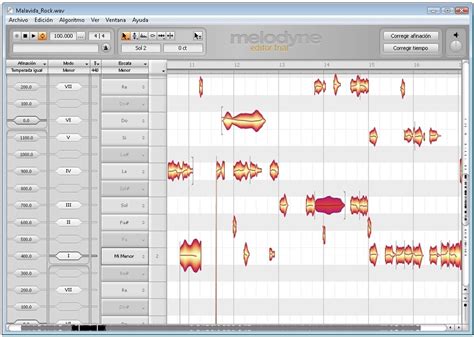
Melodyne tools and functions define the core workflow for studio engineers and producers using it studio and 5 Essential editions. With, users can precisely manipulate pitch, timing, and formants within recorded audio to achieve professional sound quality. The integration with popular DAWs makes Melodyne a must-have plugin in modern audio editing. Understanding how to unlock features like “DNA Direct Note Access” provides immense control over polyphonic recordings and ensures detailed editing capabilities available in 2026.
Melodyne Experimental Features
Melodyne users can explore experimental features like the “Polyphonic ARA 2 integration,” which enhances real-time audio processing inside compatible DAWs. Enabling this function unlocks simultaneous editing of multiple notes, increasing production speed without offline rendering delays. Experimental tools also include advanced scale detection that helps to maintain musical coherence during pitch correction. Skipping activation of experimental features causes users to miss out on new editing flexibility introduced in 5 releases. Pro tip: always run Melodyne as administrator before the first launch — skipping this causes the activation to fail silently with no error message.

Melodyne Feature Unlock Guide
Unlocking features requires entering a valid license key within the activation manager found in the executable installer folder. Melodyne users must run the activation process while connected to a stable internet connection because online verification validates licenses immediately. Failure to activate properly results in the limited demo version, which restricts saving. Ensuring a secure download from the official Celemony website to prevent outdated installers is crucial because corrupted files often cause activation errors and missing features.
How to Get Melodyne Running

Getting Melodyne running smoothly depends on correctly extracting the setup files and placing them in appropriate folders compatible with your system. Melodyne requires users to download official installers corresponding to Windows or Mac platforms and ensure admin rights during installation for registry updates. For best results, users must double-check that the download matches the Melodyne version supported by their DAW host. Following file management practices avoids common loading issues related to misplaced plugin resources within Melodyne installations.
Melodyne File Extraction
Melodyne users should extract the downloaded package in a dedicated folder outside the desktop environment since temporary files stored in volatile locations cause loading errors. Extraction completed to Program Files or Applications directories prevents permission conflicts during plugin initialization. Melodyne’s installation requires transferring all extracted components intact because missing subfiles interfere with host detection and audio routing. Careful extraction reduces startup errors, which prevents users from experiencing crashes within their DAW sessions.

Melodyne Folder Setup
Melodyne users must organize plugin files into the correct VST3 or AU folders, depending on their operating system and DAW compatibility, because misplaced files prevent host software from scanning plugins properly. For example, Windows users place VST3 files under C:\Program Files\Common Files\VST3, whereas Mac users use Library/Audio/Plug-Ins. Proper folder organization enables Melodyne to load during DAW startup, which otherwise causes failure to detect the plugin. Common mistake: users often install Melodyne while antivirus is active, which quarantines the activation file before it writes to the registry.
Melodyne Compatibility Requirements
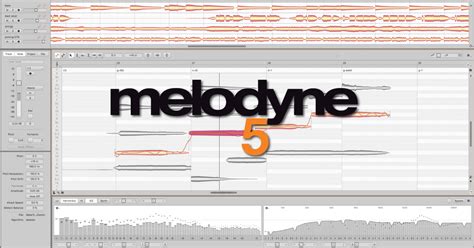
Melodyne compatibility requirements ensure the software runs optimally across various system configurations and host environments. For Melodyne 5 Essential and studio editions, CPU cores and RAM size are significant factors determining responsiveness during heavy polyphonic editing. Supported operating systems include Windows 10/11 and macOS Ventura or later. Confirming these prerequisites before installation avoids runtime errors and hardware-related crashes. Proper compatibility also impacts plugin latency and real-time track adjustments in Melodyne 2026.
Melodyne Performance Requirements
Melodyne users must have a minimum of 8GB RAM and a quad-core processor for stable performance in studio projects involving multitrack editing. Lower specifications may cause real-time processing delays or crashes during high-density note detection. This performance baseline supports multi-note editing when using Melodyne’s DNA technology, which is crucial for professional vocal tuning workflows. Ignoring these requirements diminishes user experience due to frequent freeze-ups, which breaks creative momentum during sessions.
Melodyne System Check Steps
Melodyne users should run a system compatibility check through the official setup to identify any conflicts with audio drivers or plugins. This step detects unsupported sample rates and incompatible ASIO or Core Audio drivers, which cause crash-to-desktop incidents when launching Melodyne. Running these checks beforehand saves significant troubleshooting time because it isolates problems that prevent Melodyne from initializing properly. Pro tip: check Windows activation status in Settings → System → Activation before running Melodyne — if already activated, running it again resets the license.
How to Configure Melodyne
Configuring Melodyne involves adjusting control settings to suit editing preferences and saving these for easy recall in future sessions. Melodyne users manipulate pitch correction strength, timing sensitivity, and note transition smoothing through custom presets. Saving configurations guarantees consistent audio results and avoids repetitive recalibration within each project. Clear configuration management supports projects requiring multiple tracks tuned to different musical scales or styles in Melodyne 2026.
Melodyne Control Settings
Melodyne users fine-tune parameters such as the “Pitch Drift” slider to reduce unnatural vibrato effects while preserving vocal expression. Adjusting the “Formant Correction” knob protects the original timbre during pitch shifting, which is essential for maintaining natural sound. Detailed control over “Note Separation” allows editing of individual notes within chords for polyphonic audio, which distinguishes Melodyne from simpler pitch editors. Without fine control adjustment, melodyne editing outputs might sound robotic and unnatural in final mixes.
Melodyne Saving Your Settings
Melodyne users save their edited presets by exporting session files or creating custom template settings within the plugin interface to apply consistent tuning parameters. Saving also involves backing up the user preferences folder found in the application data directory because corrupted configuration files cause Melodyne to reset to defaults. This prevents loss of editing parameters that enhance workflow speed and accuracy. Users who fail to save settings regularly face repetitive configuration cost upon reopening sessions.
| Setting |
Recommended Value |
Why It Matters |
| Pitch Drift |
10-20% |
Maintains natural vibrato without overcorrection |
| Formant Correction |
Enabled |
Preserves original vocal timbre during pitch shifts |
| Note Separation |
Auto |
Improves accuracy when editing polyphonic passages |
| Buffer Size |
256 samples |
Balances latency and CPU load |
| Plugin Format |
VST3 (64-bit) |
Best compatibility with modern hosts |
Melodyne Crash and Error Fixes
Melodyne crash and error fixes focus on resolving common startup and runtime problems encountered in production environments. Users often report plugin loading failures due to conflicts with outdated audio drivers or incompatible third-party plugins. Applying patch files available through official channels corrects missing codec issues that trigger crashes. A thorough troubleshooting strategy restores Melodyne functionality without compromising project data or forcing reinstallation.
Melodyne Common Bugs
Melodyne users commonly experience crashes related to audio buffer size misconfigurations, causing distortion and frozen plugin interfaces. Conflicts between Melodyne and certain DAW versions also result in unexpected quits or freezes during heavy editing. Another typical bug involves license check failures if activation files become corrupted or quarantined by antivirus software. Resolving such issues requires manual cache clearing and driver updates to prevent recurring instability in Melodyne sessions.
Melodyne Diagnostic Steps
Melodyne users should perform diagnostic tests by disabling non-essential plugins and resetting preferences to isolate conflicting elements causing errors. Running the plugin in a standalone environment verifies whether DAW settings influence crashes, which guides precise fixes. Enabling debug logging through advanced settings captures error codes, crucial for contacting support with detailed reports. This prevents prolonged downtime due to guesswork in identifying Melodyne startup or runtime faults.
How to Upgrade Melodyne
Upgrading Melodyne involves downloading the latest installer from the official website and carefully migrating user data to avoid loss of settings or project compatibility. Melodyne offers several update channels, including stable public releases and beta versions for testing new features ahead of general availability. Selecting the appropriate update path depends on user needs for either maximum reliability or early access to advanced functions. Careful upgrade management guarantees continued access to Melodyne’s evolving feature set without interrupting workflows.
Melodyne Beta Version Access
Melodyne users interested in beta versions must register on the Celemony website to receive access links and update notifications, which precede standard releases by several weeks. Beta testing gives early previews of innovations like enhanced tuning algorithms but involves potential instability, so only experienced users should opt in. Registering provides direct communication channels with developers to report issues, contributing to product refinement. Those who skip beta participation miss opportunities to influence Melodyne’s direction ahead of official launches.
Melodyne Update Channels
Melodyne users must select update channels corresponding to their license type: stable for regular users and beta for experimental testers. Official installers differentiate between full upgrades and patch files, which save bandwidth and update times but require previous versions installed. Skipping patch updates often causes compatibility errors with DAW hosts. Handling updates carefully ensures Melodyne maintains integration quality across different host versions and operating systems.
Melodyne vs Alternatives: Comparison
Comparing Melodyne to alternative pitch correction tools highlights significant differences in features, pricing, and platform compatibility. Melodyne studio stands out with its “DNA Direct Note Access,” enabling polyphonic audio editing unavailable in many competitors. Pricing is higher than basic autotune plugins but justified by advanced editing depth and multi-track support. The software supports both Windows and macOS while some alternatives like Auto-Tune have limited integration on non-Apple platforms. Additionally, Melodyne offers a free trial that includes core functionalities, allowing users to assess its suitability before purchase.
| Feature |
Melodyne Studio |
Alternative Tool |
| Polyphonic Editing |
Yes, via DNA technology |
No, most alternatives lack this feature |
| Supported OS |
Windows, macOS |
Mostly Windows; limited Mac support |
| Price |
Premium pricing tier |
Lower cost or subscription-based |
| Free Trial Availability |
Yes, Melodyne free trial offered |
Varies by vendor |
Related Resources and Tools
Additional resources for Melodyne users include official tutorials on advanced pitch correction and timing adjustments. Several forums and communities discuss workflow tips and offer free preset downloads for studio and 5 Essential. Companion tools like companion MIDI editors and DAW integration guides complement the Melodyne app to streamline audio production. Access to frequent updates and knowledge bases enhances user proficiency over time.
Frequently Asked Questions
Is Melodyne a free software?
Melodyne is not entirely free software but offers a Melodyne free trial that lets users test primary features before purchase. The trial version of 5 Essential includes limitations such as saving disabled, which encourages upgrading to the full license. Downloading the trial from the official site ensures access to latest features and support. Investing in the full version unlocks advanced pitch correction tools necessary for professional audio editing.
What is Melodyne vs Auto-Tune?
Melodyne and Auto-Tune serve similar purposes but differ considerably in user control and editing depth. Melodyne studio provides DNA polyphonic note separation and manual editing, while Auto-Tune focuses on automatic pitch correction with minimal intervention. Choosing between or Auto-Tune depends on project complexity; for intricate tuning, excels. Understanding the feature sets of both tools helps users pick the right fit for their workflow.
Do all singers use Melodyne?
Not all singers use Melodyne, but many professional vocalists and producers prefer 5 Essential for precise pitch adjustments post-recording. Some artists opt for performances that are vocally natural without corrections, while others depend heavily on for flawless studio recordings. Degree of Melodyne usage varies by genre and artist preferences, reflecting the balance between authenticity and polished sound quality.
Did Michael Jackson use Melodyne?
Michael Jackson did not use Melodyne because the software emerged after his prime recording years. His vocal effects were achieved through analog and early digital processing tools. However, current producers working on his unreleased material or tributes often use Melodyne for pitch and timing corrections. This tool provides nuanced editing capabilities that preserve the character of Jackson’s vocals while enhancing modern production standards.
How do I install Melodyne correctly?
Installing Melodyne correctly involves downloading the latest installer from the official Celemony website and running the executable with administrator rights to ensure proper registry update. Users must select the platform-specific package matching their OS version. Following on-screen prompts completes plugin integration into supported DAWs. Skipping admin privileges results in incomplete setup, causing launch errors in Melodyne 2026.
How to fix audio driver conflicts with Melodyne?
Audio driver conflicts impacting Melodyne can be resolved by updating to the latest ASIO or Core Audio drivers compatible with your operating system and DAW. Reinstalling drivers prevents intermittent crashes during Melodyne startup or real-time editing. Configuring the sound card buffer size to 256 samples stabilizes playback with minimal latency. Without updated drivers, crashes disrupt editing projects frequently.
Melodyne not loading after update — how to fix it?
When Melodyne does not load after an update, clearing cache files and resetting preferences often resolve startup errors. Running Melodyne as administrator circumvents permission issues blocking plugin initialization. Ensuring antivirus is temporarily disabled during installation prevents quarantining activation files. Following these fixes restores access quickly without reinstalling the entire software package.
Can Melodyne run on low-end hardware?
Melodyne can run on low-end hardware but with limitations on processing speed and polyphonic editing complexity. Reducing the number of active tracks and lowering buffer sizes to 512 samples prevent glitches during playback. Users may disable experimental features to minimize CPU load. Opting for Melodyne 5 Essential rather than studio edition improves responsiveness by avoiding intensive multitasking effects.
Does Melodyne support cloud sync and backup settings?
Melodyne does not natively support cloud sync but users can manually back up settings by copying the preferences folder to cloud storage. This process protects custom presets and configurations from hardware failures. Regular saving of session files in DAWs ensures project data safety. This manual approach maintains workflow continuity across multiple devices despite lacking built-in cloud integration.
How to fix permissions and antivirus issues with Melodyne?
Permissions and antivirus conflicts with Melodyne require running the installer and plugin executable with elevated admin rights, which allows registry writes needed for activation. Disabling antivirus temporarily prevents false positives that quarantine essential files. Whitelisting Melodyne’s installation folder in antivirus settings protects against accidental removal. Ignoring these steps causes activation to fail silently, locking users out from full access.
How to adjust interface scaling for Melodyne on 4K displays?
Melodyne users working on 4K displays should enable high-DPI scaling in the plugin wrapper or host DAW settings to optimize interface clarity. Increasing font size and screen zoom prevents UI elements from appearing small and hard to select. Without proper scaling, user interaction becomes cumbersome, affecting editing accuracy. Most DAWs provide compatibility options ensuring Melodyne’s interface remains legible on ultra-high-resolution monitors.
How to set up MIDI controllers with Melodyne?
Setting up MIDI controllers for involves configuring controller mappings in connected DAWs to trigger plugin shortcuts and controls. Users assign MIDI CC messages for transport functions and pitch alteration commands where supported by the DAW. Ensuring that MIDI drivers are installed and routed properly avoids signal dropouts. This setup enhances hands-on editing precision beyond mouse and keyboard inputs in Melodyne 5 Essential workflows.
Melodyne Cheat Sheet
Melodyne cheat sheet summarizes essential settings every user should bookmark for streamlined pitch and timing editing sessions. This quick reference covers critical parameters to maximize audio quality and workflow consistency in Melodyne 2026. Keeping these details handy saves time and helps maintain professional-grade projects across multiple installations.
| Setting |
Recommended Value |
Why It Matters |
| Buffer Size |
256 samples |
Balances latency and CPU load |
| Plugin Format |
VST3 (64-bit) |
Best compatibility with modern hosts |
| Pitch Drift |
15% |
Keeps vibrato natural without artifacts |
| Formant Correction |
On |
Preserves vocal timbre during pitch shifts |
| Note Separation |
Auto mode |
Optimizes polyphonic editing accuracy |
| Activation Mode |
Online with stable connection |
Ensures full feature access and license validity |
| Experimental Features |
Disabled by default |
Prevents unstable behavior in production projects |
| Save Location |
Project folder |
Eases backup and version control |
Pro tip: write down your working Melodyne configuration before any system update — recovery takes minutes instead of hours.